Common Foot and Ankle Injuries in Soccer

Soccer places demands on the feet through sprinting, cutting, and kicking. Sudden stops and changes of direction can lead to ankle sprains, turf toe, and broken bones. Players can also develop stress fractures, which are small cracks caused by repeated pressure. Heel pain and Achilles tendon injuries can result from frequent running and jumping or inadequate footwear. Blisters or damaged toenails can form when cleats are too tight, too loose, or poorly fitted. Young players can develop pain where the heel bone is still growing. Uneven fields, hard turf, and contact with other players can raise the chance of a soccer injury.

Symptoms depend on the injured area and the severity of the damage. Warning signs include pain, swelling, and bruising. A player may also have trouble putting weight on the affected foot. Turf toe causes pain and stiffness at the base of the big toe. A fracture can produce sharp pain that becomes worse with pressure or activity. Players should not ignore pain that continues, returns during play, or affects normal movement. Continuing to compete with an untreated injury can worsen the damage and delay a safe return to activity.

A podiatrist can examine the foot and ankle, check joint movement, and locate areas of tenderness. X-rays can reveal many fractures, while an MRI scan can show stress injuries or damage to soft tissue. Treatment depends on the diagnosis and can include a brace, cast, or walking boot. Custom orthotics can improve support and reduce harmful pressure inside the shoe. A podiatrist can also evaluate cleat fit and recommend shoes suited to the player’s foot shape and playing surface. Serious fractures, major ligament tears, or severe turf toe can require surgery. Follow-up visits help the podiatrist monitor healing and decide when the player can safely return to practice. If you have sustained a foot injury while playing soccer, it is suggested that you schedule an appointment with a podiatrist for a diagnosis and appropriate treatment.

Ankle and foot injuries are common among athletes and in many sports. They can be caused by several problems and may be potentially serious. If you are feeling pain or think you were injured in a sporting event or when exercising, consult with Christian Smith, DPM from UTOEpia Foot and Ankle Specialist. Our doctor will assess your condition and provide you with quality foot and ankle treatment.

Common Injuries

The most common injuries that occur in sporting activities include:

  • Achilles Tendonitis
  • Achilles Tendon Rupture
  • Ankle Sprains
  • Broken Foot
  • Plantar Fasciitis
  • Stress Fractures
  • Turf Toe

Symptoms

Symptoms vary depending upon the injury and in some cases, there may be no symptoms at all. However, in most cases, some form of symptom is experienced. Pain, aching, burning, bruising, tenderness, tightness or stiffness, sensation loss, difficulty moving, and swelling are the most common symptoms.

Treatment

Just as symptoms vary depending upon the injury, so do treatment options. A common treatment method is known as the RICE method. This method involves rest, applying ice, compression and elevating the afflicted foot or ankle. If the injury appears to be more serious, surgery might be required, such as arthroscopic or reconstructive surgery. Lastly, rehabilitation or therapy might be needed to gain full functionality in the afflicted area. Any discomfort experienced by an athlete must be evaluated by a licensed, reputable medical professional.  

If you have any questions please contact our office located in Memphis, TN . We offer the newest diagnostic and treatment technologies for all your foot and ankle needs.

Read more about Sports Related Foot And Ankle Injuries

Plantar Warts Can Be Treated!

Plantar warts are small growths that develop on parts of the feet that bear weight. They're typically found on the bottom of the foot. Don't live with plantar warts, and call us today!

Why Diabetic Foot Care Is So Important

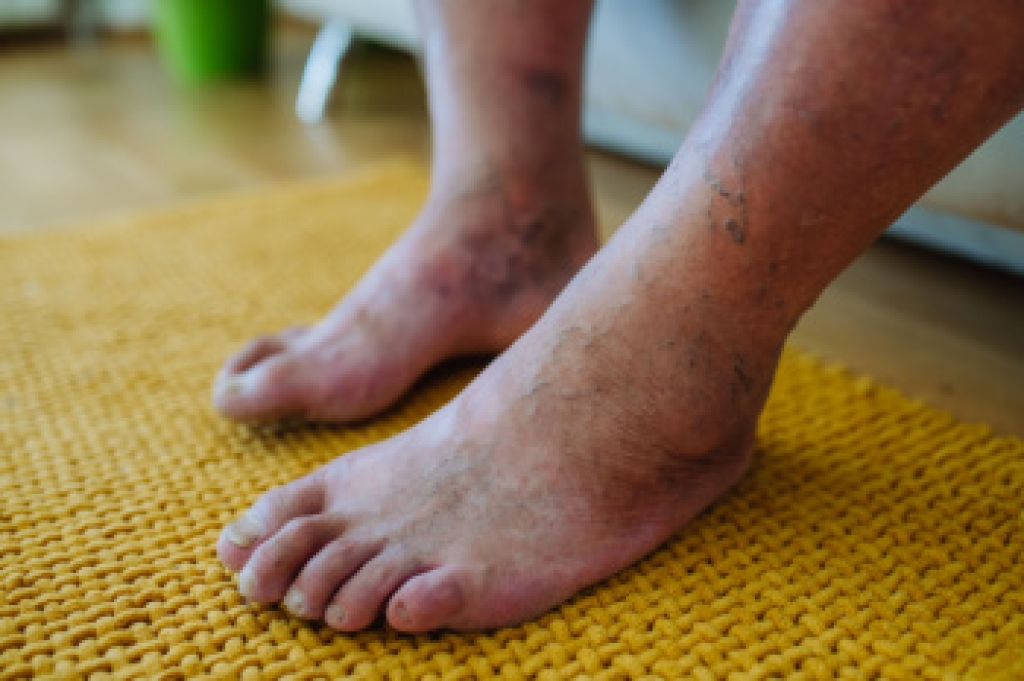
Diabetes affects many parts of the body, including the feet. High blood sugar levels may damage nerves and reduce blood flow, making it harder for the feet to heal after an injury. Some people gradually lose feeling in their feet and may not notice cuts, blisters, or other injuries right away. Reduced circulation can also slow healing and increase the risk of infection. Because these changes often develop gradually, routine diabetic foot care is an important part of protecting long-term health. Warning signs include numbness, tingling, and burning sensations. Some people also notice swelling or changes in the appearance of the skin. Regular podiatry evaluations help identify problems early before they become more serious.


Diabetes-related foot problems affect mobility and overall quality of life if they are not recognized promptly. Even a small wound may become more difficult to heal when circulation is reduced or sensation is limited. In more advanced cases, untreated infections or ulcers can lead to significant complications. A comprehensive podiatry examination allows the feet to be evaluated for changes in skin health, circulation, and nerve function. A podiatrist can also identify early signs of pressure points or developing foot deformities that may increase the risk of future problems. Early diagnosis and ongoing monitoring are essential because many diabetes-related foot conditions respond best when addressed as soon as possible.


A podiatrist plays a vital role in helping patients with diabetes maintain healthy feet and reduce the risk of serious complications. Professional care focuses on detecting changes early, treating existing foot conditions, and preserving comfort and mobility. Treatment plans are tailored to each patient's needs while considering overall health and circulation. Regular podiatry visits also provide an opportunity to monitor foot health and address concerns before they progress. If you have diabetes and notice changes in your feet or experience persistent foot symptoms, it is suggested that you consult a podiatrist for an evaluation and appropriate treatment options.

Diabetic foot care is important in preventing foot ailments such as ulcers. If you are suffering from diabetes or have any other concerns about your feet, contact Christian Smith, DPM from UTOEpia Foot and Ankle Specialist. Our doctor can provide the care you need to keep you pain-free and on your feet.

Diabetic Foot Care

Diabetes affects millions of people every year. The condition can damage blood vessels in many parts of the body, especially the feet. Because of this, taking care of your feet is essential if you have diabetes, and having a podiatrist help monitor your foot health is highly recommended.

The Importance of Caring for Your Feet

  • Routinely inspect your feet for bruises or sores.
  • Wear socks that fit your feet comfortably.
  • Wear comfortable shoes that provide adequate support.

Patients with diabetes should have their doctor monitor their blood levels, as blood sugar levels play such a huge role in diabetic care. Monitoring these levels on a regular basis is highly advised.

It is always best to inform your healthcare professional of any concerns you may have regarding your feet, especially for diabetic patients. Early treatment and routine foot examinations are keys to maintaining proper health, especially because severe complications can arise if proper treatment is not applied.

If you have any questions, please feel free to contact our office located in Memphis, TN . We offer the newest diagnostic and treatment technologies for all your foot care needs.

Read more about Diabetic Foot Care

Causes of Heel Pain in Growing Children

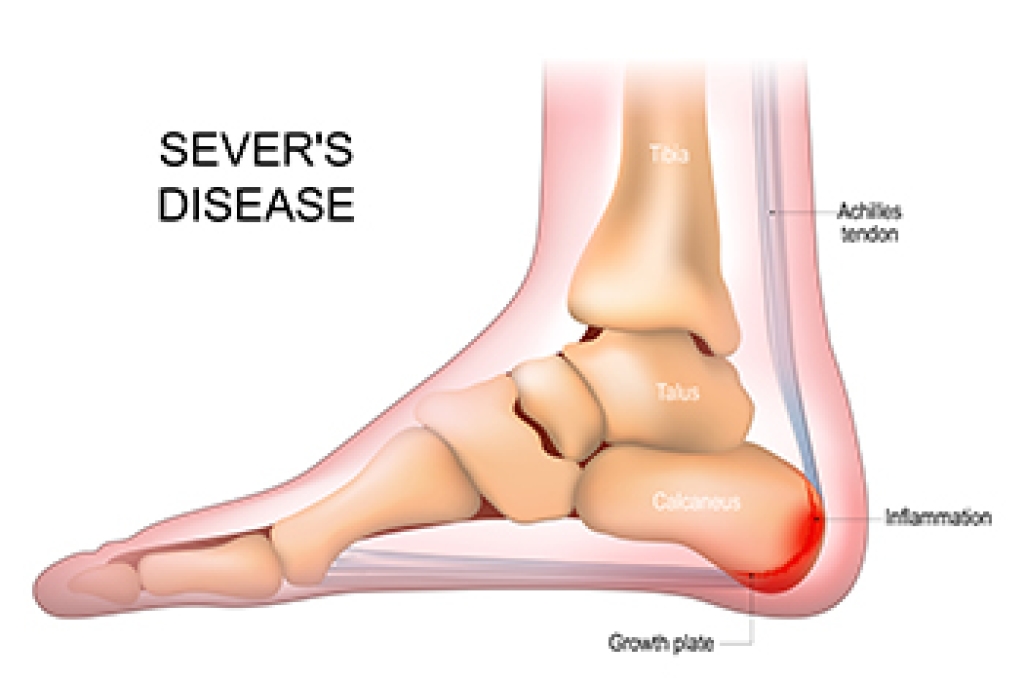
Heel pain in children often occurs during periods of rapid growth. Sever’s disease is frequently linked to overuse and strain on the developing structures of the foot. Children between the ages of eight and 14 are especially at risk because their bones may grow faster than the surrounding muscles and tendons. This imbalance can place added tension on the heel, leading to irritation and pain. Active children who participate in sports that involve running and jumping may experience this condition more often.

Symptoms of heel pain in children include tenderness at the back or bottom of the heel, discomfort during physical activity, and stiffness after rest. Some children may limp or avoid placing full weight on the affected foot. Pain may increase during sports and improve with rest, but it can return when activity resumes. In some cases, swelling or tightness in the calf muscles may also be present. Early recognition of these symptoms can help prevent worsening discomfort and support proper healing.


The main cause of heel pain in children, often called Sever’s disease, can be related to growth spurts. During their adolescent years, the heel bone grows rapidly, while the surrounding muscles and tendons may not keep pace. This can lead to increased tension on the heel. Repetitive impact from sports and physical activities can further strain the area. Relief often includes stretching exercises to improve flexibility and reduce stress on the heel. Parents should never push children through heel pain, as this can lead to more serious issues.


Risk factors for heel pain in children include high levels of physical activity, tight calf muscles, and participation in sports played on hard surfaces. Early attention is important for maintaining comfort and mobility. If your active child has heel pain, it is suggested that you consult a podiatrist for effective relief and management solutions.

Sever's disease often occurs in children and teens. If your child is experiencing foot or ankle pain, see Christian Smith, DPM from UTOEpia Foot and Ankle Specialist. Our doctor can treat your child’s foot and ankle needs.

Sever’s Disease

Sever’s disease is also known as calcaneal apophysitis, which is a medical condition that causes heel pain I none or both feet. The disease is known to affect children between the ages of 8 and 14.

Sever’s disease occurs when part of the child’s heel known as the growth plate (calcaneal epiphysis) is attached to the Achilles tendon. This area can suffer injury when the muscles and tendons of the growing foot do not keep pace with bone growth. Therefore, the constant pain which one experiences at the back of the heel will make the child unable to put any weight on the heel. The child is then forced to walk on their toes.

Symptoms

Acute pain – Pain associated with Sever’s disease is usually felt in the heel when the child engages in physical activity such as walking, jumping and or running.

Highly active – Children who are very active are among the most susceptible in experiencing Sever’s disease, because of the stress and tension placed on their feet.

If you have any questions, please feel free to contact our office located in Memphis, TN . We offer the newest diagnostic and treatment technologies for all your foot care needs.

Read more about Sever's Disease

Types of Ankle Fractures

An ankle fracture is a break in one or more of the bones that form the ankle joint, including the tibia, fibula, and talus. These injuries range from simple fractures to more complex patterns such as bimalleolar and trimalleolar fractures, which involve multiple parts of the ankle. Bimalleolar fractures affect both the inner and outer ankle bones, while trimalleolar fractures include the back portion of the tibia as well. These injuries often disrupt joint stability and require careful evaluation to restore proper alignment and function.

Symptoms of an ankle fracture typically include immediate pain, swelling, and difficulty bearing weight. The ankle may appear visibly deformed in more severe cases, and movement can be extremely limited. Tenderness around the joint and a feeling of instability are also common. In some cases, patients may hear or feel a snapping sensation at the time of injury. These symptoms can overlap with severe sprains, making proper diagnosis essential for effective treatment.


Ankle fractures are most often caused by trauma, including falls, sports injuries, or twisting movements that force the joint beyond its normal range. High impact activities and accidents can lead to more complex fracture patterns. Risk factors include participation in sports, poor balance, weak bone density, and wearing improper footwear. Older adults and individuals with osteoporosis are at higher risk due to decreased bone strength, which increases susceptibility to fractures even with minor trauma.


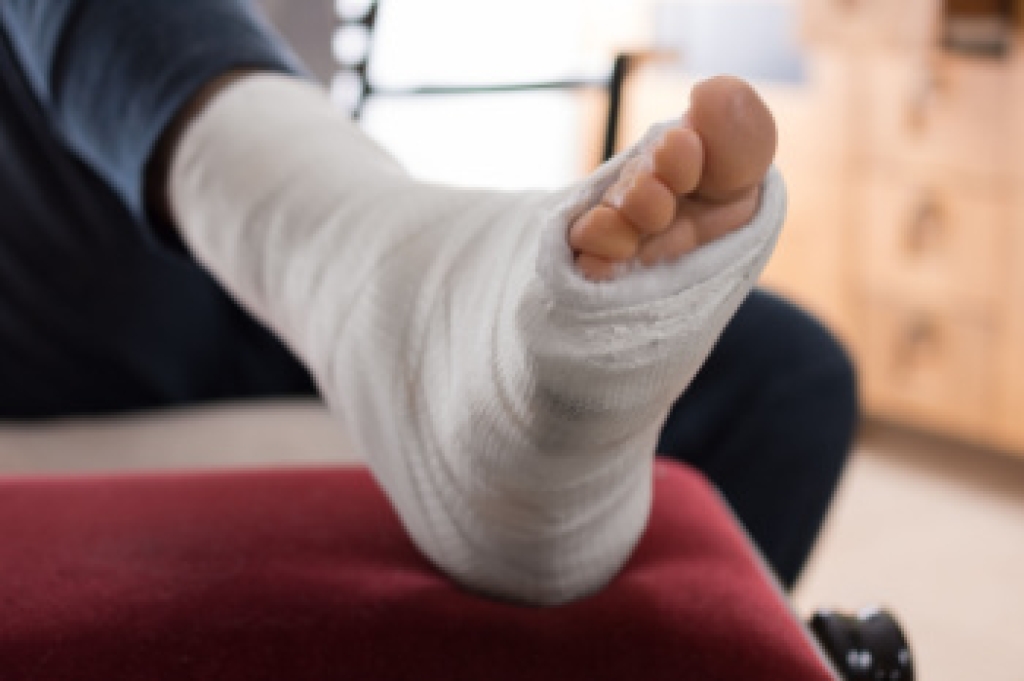
Treatment depends on the type and severity of the fracture, and may include immobilization, casting, or surgical intervention to stabilize the bones. Early care helps prevent long term complications such as joint stiffness or arthritis. If you have a broken ankle, it is suggested that you consult a podiatrist to explore appropriate treatment options.

A broken foot requires immediate medical attention and treatment. If you need your feet checked, contact Christian Smith, DPM from UTOEpia Foot and Ankle Specialist. Our doctor can provide the care you need to keep you pain-free and on your feet.

Broken Foot Causes, Symptoms, and Treatment

A broken foot is caused by one of the bones in the foot typically breaking when bended, crushed, or stretched beyond its natural capabilities. Usually the location of the fracture indicates how the break occurred, whether it was through an object, fall, or any other type of injury. 

Common Symptoms of Broken Feet:

  • Bruising
  • Pain
  • Redness
  • Swelling
  • Blue in color
  • Numbness
  • Cold
  • Misshapen
  • Cuts
  • Deformities

Those that suspect they have a broken foot shoot seek urgent medical attention where a medical professional could diagnose the severity.

Treatment for broken bones varies depending on the cause, severity and location. Some will require the use of splints, casts or crutches while others could even involve surgery to repair the broken bones. Personal care includes the use of ice and keeping the foot stabilized and elevated.

If you have any questions, please feel free to contact our office located in Memphis, TN . We offer the newest diagnostic and treatment technologies for all your foot care needs.

Read more about Causes, Symptoms, and Treatment for a Broken Foot
Advanced Podiatric Procedures & Services in the Shelby County, TN: Memphis, Germantown, Collierville, Bartlett, Arlington, Lakeland, Millington, Cordova, Fayette County, TN: Somerville, Oakland, Eads, Crittenden County areas