Running Toward Orthotics

Running places repeated stress on the feet and lower body, and many runners develop pain from overuse and impact. Common causes include poor foot alignment, flat feet, high arches, and uneven movement that put extra pressure on the feet, ankles, and knees. This strain can affect how the body moves and lead to discomfort. Symptoms include heel pain, arch soreness, shin pain, or aching in the ankles and knees that may worsen during or after running. Orthotic treatment can help by supporting the foot, improving alignment, and spreading pressure more evenly with each step. This support helps the body move in a more balanced way and reduces stress on joints and soft tissues. With better alignment, runners may notice less pain and improved comfort during activity. If pain is limiting your running, it is suggested that you schedule an appointment with a podiatrist to see if orthotics are the right treatment for you. 

Our feet carry us through every part of life, absorbing the impact of thousands of steps each day. When they are not properly supported, the effects can extend far beyond the feet themselves. Custom orthotics provide the foundation the body needs by aligning, cushioning, and stabilizing each foot in its most natural position. They are carefully crafted to match the unique structure of each individual’s feet, allowing them to move efficiently and comfortably while reducing stress on the muscles, joints, and ligaments.

Proper foot support is essential for maintaining balance and preventing fatigue. Without it, the body compensates by shifting weight unevenly, which can lead to discomfort in the ankles, knees, hips, or lower back. Custom orthotics help restore this balance by redistributing pressure and promoting a more natural walking pattern. They not only ease existing pain but also protect against future strain or injury by supporting the arches and controlling excessive motion.

Unlike store-bought insoles, custom orthotics are created through detailed assessment and advanced technology to provide precise correction and comfort. They fit seamlessly into most shoes, making them ideal for daily wear, work, or sports.

If your feet feel tired, sore, or unsupported, it is recommended that you contact our office for more information, or to make an appointment.

If you have any questions please contact our office located in Memphis, TN

Read more about Sole Marketing Foot Discomfort

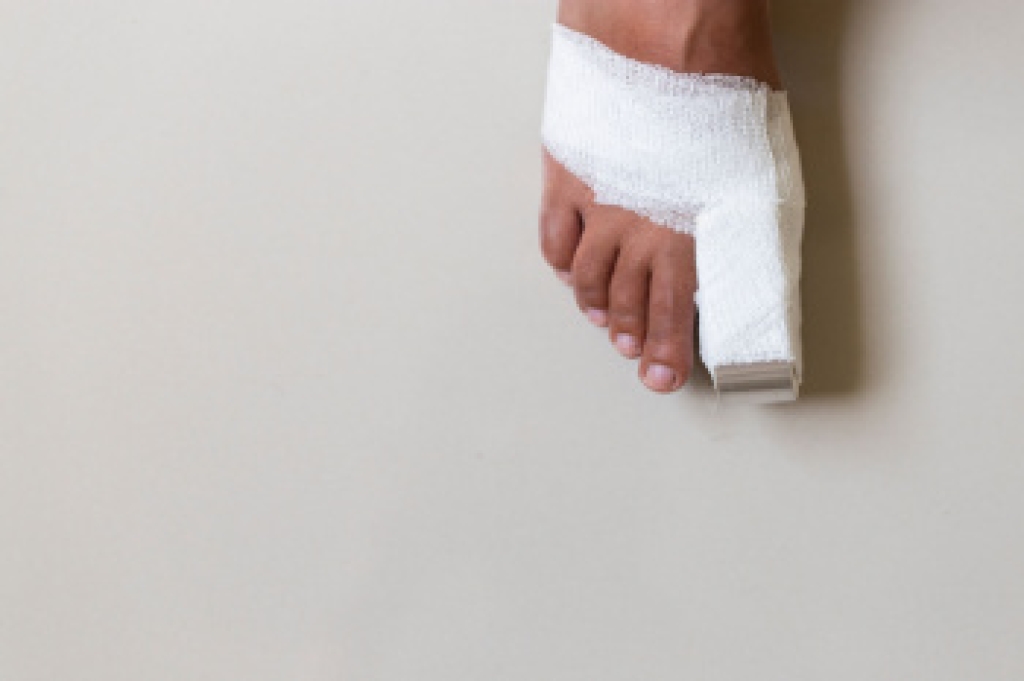
What Happens When a Toe Is Fractured

A toe fracture is a break in one of the small bones that make up the toes. These injuries often occur when the toe is stubbed against a hard object, when something heavy falls on the foot, or during sports activities. Common symptoms include pain, swelling, bruising, and difficulty walking. Some people notice that the toe appears crooked or becomes tender to touch. Because these symptoms can resemble a sprain or severe bruise, proper diagnosis is important. A podiatrist will examine the toe and may order an X-ray to confirm whether a fracture is present and determine its severity. Treatment depends on the type of break. Many fractures are treated with protective taping, supportive footwear, and limited activity while the bone heals. More serious fractures may require additional stabilization. If you suspect a broken toe or have persistent toe pain, it is suggested that you see a podiatrist for a proper diagnosis and appropriate treatment.

Broken toes may cause a lot of pain and should be treated as soon as possible. If you have any concerns about your feet, contact Christian Smith, DPM from UTOEpia Foot and Ankle Specialist. Our doctor will treat your foot and ankle needs.

What Is a Broken Toe?

A broken toe occurs when one or more of the toe bones of the foot are broken after an injury. Injuries such as stubbing your toe or dropping a heavy object on it may cause a toe fracture.

Symptoms of a Broken Toe

  • Swelling
  • Pain (with/without wearing shoes)
  • Stiffness
  • Nail Injury

Although the injured toe should be monitored daily, it is especially important to have a podiatrist look at your toe if you have severe symptoms. Some of these symptoms include worsening or new pain that is not relieved with medication, sores, redness, or open wounds near the toe.

If you have any questions please feel free to contact our office located in Memphis, TN . We offer the newest diagnostic tools and technology to treat your foot and ankle needs.

Read more about What to Know About a Broken Toe

Are Bunions Affecting Your Everyday Life?

Have you noticed a bony protrusion on the side of your big toe? If so, you may have developed the foot condition known as a bunion. Don't let bunions interfere with your daily activities.

Achilles Tendinitis and Heel Pain

Achilles tendinitis involves inflammation of the Achilles tendon, the strong band of tissue that connects the calf muscles to the heel bone. It commonly develops from overuse, repetitive stress, or sudden increases in physical activity. Tight calf muscles, wearing improper footwear, and poor training habits can also contribute to this condition. Risk factors include aging, flat feet, high arches, and participation in high impact sports. Symptoms often include pain and stiffness along the back of the heel, swelling, and discomfort that worsens with activity. A podiatrist can evaluate the tendon, recommend stretching and strengthening programs, and provide treatment to reduce inflammation and prevent further injury. If you have any of the above symptoms, it is suggested that you consult a podiatrist who can accurately diagnose and treat the condition.

Achilles tendon injuries need immediate attention to avoid future complications. If you have any concerns, contact Christian Smith, DPM of UTOEpia Foot and Ankle Specialist. Our doctor can provide the care you need to keep you pain-free and on your feet.

What Is the Achilles Tendon?

The Achilles tendon is a tendon that connects the lower leg muscles and calf to the heel of the foot. It is the strongest tendon in the human body and is essential for making movement possible. Because this tendon is such an integral part of the body, any injuries to it can create immense difficulties and should immediately be presented to a doctor.

What Are the Symptoms of an Achilles Tendon Injury?

There are various types of injuries that can affect the Achilles tendon. The two most common injuries are Achilles tendinitis and ruptures of the tendon.

Achilles Tendinitis Symptoms

  • Inflammation
  • Dull to severe pain
  • Increased blood flow to the tendon
  • Thickening of the tendon

Rupture Symptoms

  • Extreme pain and swelling in the foot
  • Total immobility

Treatment and Prevention

Achilles tendon injuries are diagnosed by a thorough physical evaluation, which can include an MRI. Treatment involves rest, physical therapy, and in some cases, surgery. However, various preventative measures can be taken to avoid these injuries, such as:

  • Thorough stretching of the tendon before and after exercise
  • Strengthening exercises like calf raises, squats, leg curls, leg extensions, leg raises, lunges, and leg presses

If you have any questions please feel free to contact our office located in Memphis, TN . We offer the newest diagnostic tools and technology to treat your foot and ankle needs.

Read more about The Causes, Types, and Treatments of Achilles Tendon Injuries
Advanced Podiatric Procedures & Services in the Shelby County, TN: Memphis, Germantown, Collierville, Bartlett, Arlington, Lakeland, Millington, Cordova, Fayette County, TN: Somerville, Oakland, Eads, Crittenden County areas