Caring for the Feet When Dealing With Diabetes

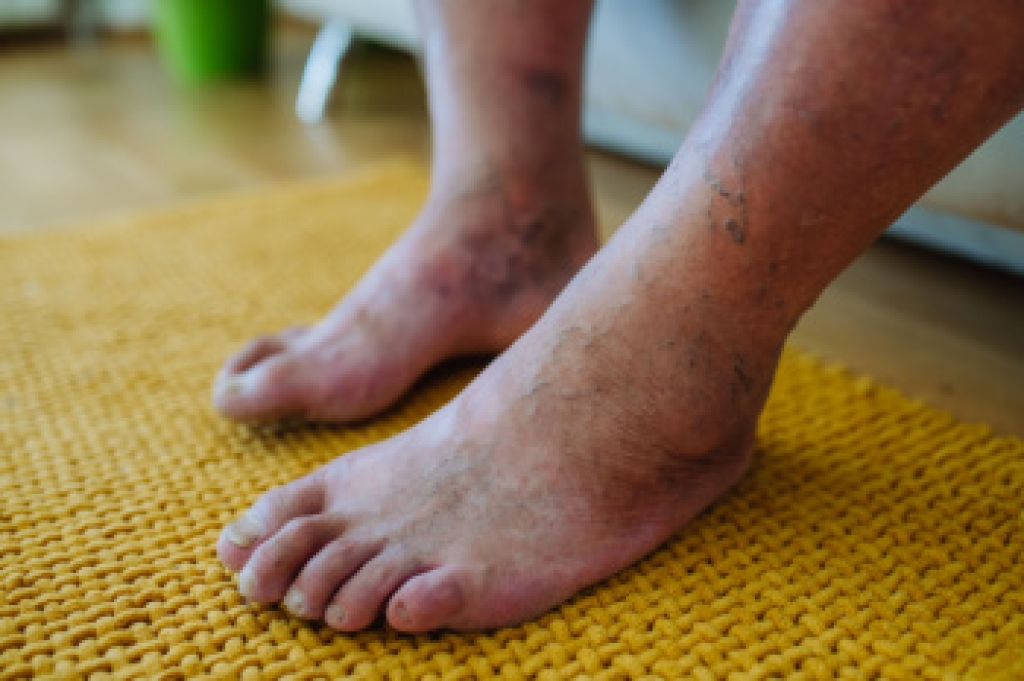
Diabetic foot care focuses on protecting the feet from complications caused by long-term diabetes, which can damage nerves and reduce circulation. These changes are often caused by prolonged elevated blood sugar levels that affect blood vessels and sensation. Symptoms include numbness, burning pain, slow healing sores, or frequent infections. The feet may look dry, cracked, or discolored, and they may feel painful in some areas while feeling very little in others. A podiatrist plays an important role by starting with a thorough examination to evaluate skin health, circulation, nerve response, and foot structure. Diagnostic testing may be used to identify risks early. Treatment often begins with preventive care, such as regular monitoring, nail and skin care, and footwear guidance, then moves into wound care and infection management. Consistent podiatric care helps reduce the risk of ulcers and serious complications. If you have diabetic foot care needs, it is suggested that you make an appointment with a podiatrist.

Diabetic foot care is important in preventing foot ailments such as ulcers. If you are suffering from diabetes or have any other concerns about your feet, contact Christian Smith, DPM from UTOEpia Foot and Ankle Specialist. Our doctor can provide the care you need to keep you pain-free and on your feet.

Diabetic Foot Care

Diabetes affects millions of people every year. The condition can damage blood vessels in many parts of the body, especially the feet. Because of this, taking care of your feet is essential if you have diabetes, and having a podiatrist help monitor your foot health is highly recommended.

The Importance of Caring for Your Feet

  • Routinely inspect your feet for bruises or sores.
  • Wear socks that fit your feet comfortably.
  • Wear comfortable shoes that provide adequate support.

Patients with diabetes should have their doctor monitor their blood levels, as blood sugar levels play such a huge role in diabetic care. Monitoring these levels on a regular basis is highly advised.

It is always best to inform your healthcare professional of any concerns you may have regarding your feet, especially for diabetic patients. Early treatment and routine foot examinations are keys to maintaining proper health, especially because severe complications can arise if proper treatment is not applied.

If you have any questions, please feel free to contact our office located in Memphis, TN . We offer the newest diagnostic and treatment technologies for all your foot care needs.


Read more about Diabetic Foot Conditions

Why Are My Toes Red?

Red toes can develop when the skin and underlying tissues of the toes become irritated, inflamed, or injured. This condition may occur after a stubbed toe, direct injury, or repeated pressure that affects circulation and soft tissues. Other causes include a skin infection or contact dermatitis, which occurs when the skin reacts to irritating substances like certain fabrics, chemicals, or footwear materials. Symptoms include swelling, tenderness, warmth, itching, or discomfort while walking. Risk factors include wearing poorly-fitted shoes, minor trauma, sensitive skin, or prolonged exposure to irritants. A podiatrist can evaluate the affected area, determine the underlying cause, and recommend appropriate treatment. If persistent redness or toe discomfort develops, it is suggested that you consult a podiatrist who can determine the cause and offer appropriate treatment solutions. 

Toe pain can disrupt your daily activities. If you have any concerns, contact Christian Smith, DPM of UTOEpia Foot and Ankle Specialist. Our doctor can provide the care you need to keep you pain-free and on your feet.

What Causes Toe Pain?

Most severe toe pain is caused due to a sports injury, trauma from dropping something heavy on the toe, or bumping into something rigid. Other problems can develop over time for various reasons.

Toe pain can be caused by one or more ailments. The most common include:

  • Trauma
  • Sports injury
  • Wearing shoes that are too tight
  • Arthritis
  • Gout
  • Corns and calluses
  • Hammertoe
  • Bunions
  • Blisters
  • Ingrown toenails
  • Sprains
  • Fractures (broken bones)
  • Dislocations

When to See a Podiatrist

  • Severe pain
  • Persistent pain that lasts more than a week
  • Signs of infection
  • Continued swelling
  • Pain that prevents walking

Diagnosis

In many cases the cause of toe pain is obvious, but in others, a podiatrist may want to use more advanced methods to determine the problem. These can range from simple visual inspections and sensation tests to X-rays and MRI scans. Prior medical history, family medical history, and any recent physical traumatic events will all be taken into consideration for a proper diagnosis.

Treatment

Treatments for toe pain and injuries vary and may include shoe inserts, padding, taping, medicines, injections, and in some cases, surgery. If you believe that you have broken a toe, please see a podiatrist as soon as possible.

If you have any questions please contact our office located in Memphis, TN . We offer the newest diagnostic and treatment technologies for all your foot and ankle needs.

Read more about Toe Pain

Top 5 Benefits of Custom Orthotics

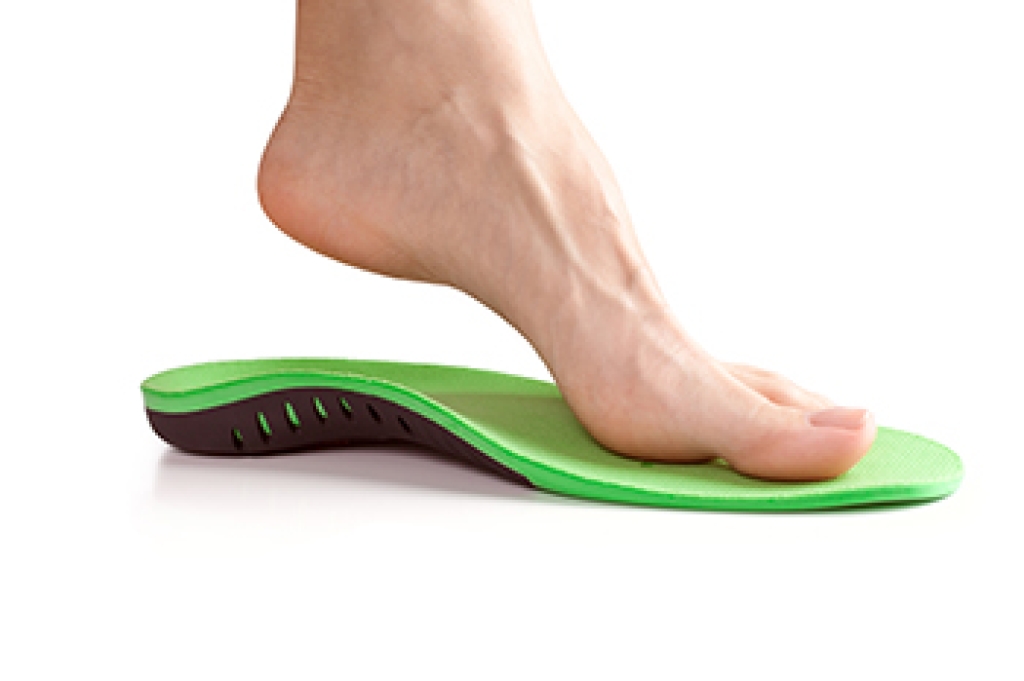
Discover the long-term benefits of orthotics! Tailored to your unique foot structure, Custom Orthotics ensure every step radiates comfort and helps reduce foot and heel pain. Beyond comfort, they enhance your posture, allowing you to stand taller and walk with confidence. Whether you're casually strolling or actively running, they can elevate your performance. Call our office today and see if Custom Orthotics are right for you.

Toenail Fungus Warning Signs and Podiatrist-Guided Care

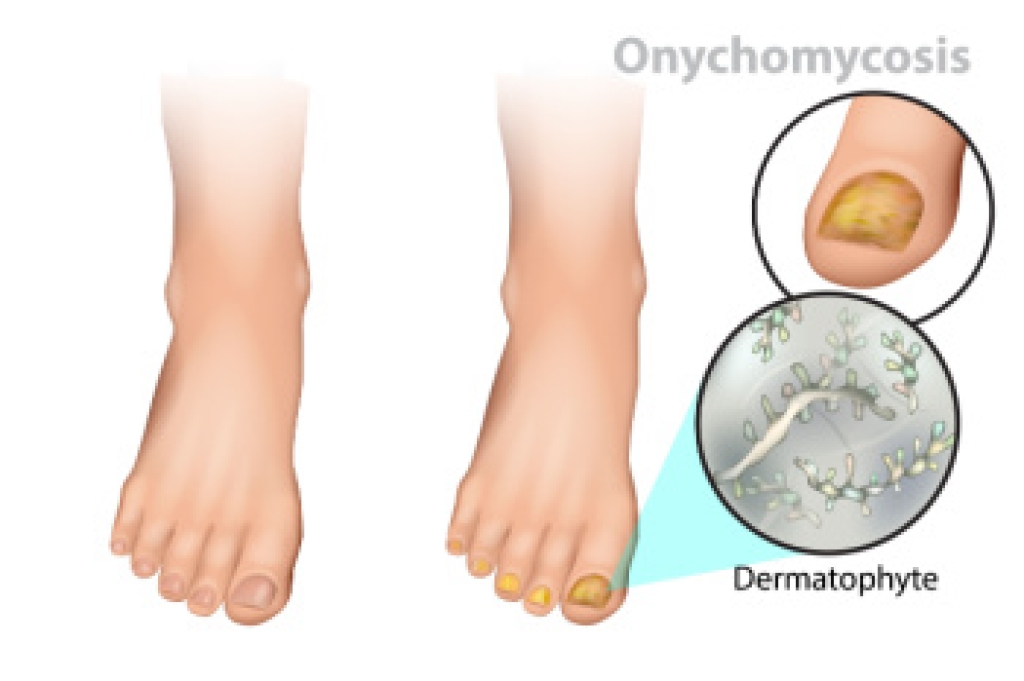
Toenail fungus is a common nail infection caused by fungi that thrive in warm moist environments, and invade the nail through tiny cracks. Early signs include yellow-brown discoloration, dullness, and a slow-growing change in nail appearance. As the infection progresses, the nail may become thickened, brittle, and crumbly, sometimes producing debris and a foul-smelling odor. Causes include exposure to damp shoes, shared locker rooms, and weakened nail barriers. Risk factors include aging, diabetes, poor circulation, athlete’s foot, and frequent nail trauma. A podiatrist can confirm the infection, trim and thin thickened nails, and recommend targeted treatments that support clear nail growth. If you have symptoms of toenail fungus, it is suggested that you consult a podiatrist who can effectively treat this condition, which may include prescribed medication.

For more information about treatment, contact Christian Smith, DPM of UTOEpia Foot and Ankle Specialist. Our doctor can provide the care you need to keep you pain-free and on your feet.

Toenail Fungus Treatment

Toenail fungus is a condition that affects many people and can be especially hard to get rid of. Fortunately, there are several methods to go about treating and avoiding it.

Antifungals & Deterrence

Oral antifungal medicine has been shown to be effective in many cases. It is important to consult with a podiatrist to determine the proper regiment for you, or potentially explore other options.

Applying foot powder on the feet and shoes helps keep the feet free of moisture and sweat.

Sandals or open toed shoes – Wearing these will allow air movement and help keep feet dry. They also expose your feet to light, which fungus cannot tolerate. Socks with moisture wicking material also help as well.

If you have any questions please contact our office located in Memphis, TN . We offer the newest diagnostic and treatment technologies for all your foot and ankle needs.

Read more about Toenail Fungus

Orthotics and Winter Sports

Winter sports place high stress on the feet and ankles because of cold temperatures, stiff boots, hard surfaces, and high impact forces. These causes can lead to foot fatigue, arch pain, heel pain, ankle strain, and numbness during skiing, skating, or snowboarding. Tight boots and heavy gear also change how weight moves through the foot, which can cause balance problems and joint stress. Orthotics can help by improving alignment, supporting the arch, and spreading pressure more evenly inside winter footwear, which can reduce pain and improve performance. Proper support may also help protect the joints and soft tissues from repeated stress during long days on the slopes or rink. Swelling, tingling, and loss of control may occur when the foot is not supported well. Good support helps keep the foot in a neutral position and may lower injury risk during winter sport activity today. If you are an athlete in need of proper support, it is suggested that you schedule an appointment with a podiatrist to see if orthotics may be right for you. 

Custom orthotics are often an effective solution for people experiencing heel pain, offering both comfort and correction for the underlying causes of discomfort. Heel pain commonly develops when the natural support of the foot becomes strained or imbalanced, leading to inflammation and irritation in the heel area. Conditions such as plantar fasciitis, heel spurs, or flat feet can all contribute to chronic heel pain that worsens with walking or standing. Custom orthotics are designed to fit the exact shape of your foot, providing the support and alignment necessary to reduce stress on the heel and surrounding tissues.

By redistributing pressure and improving overall foot mechanics, custom orthotics allow the heel to function more efficiently during movement. They cushion each step, absorb shock, and correct abnormal gait patterns that may be contributing to pain. Over time, this consistent support can ease inflammation, protect against re-injury, and enhance comfort during both daily and athletic activities.

Unlike prefabricated insoles, custom orthotics are created from a detailed evaluation that may include digital scans or molds of your feet. This ensures a precise and individualized fit that addresses your specific condition. They can be used in various types of footwear, from athletic shoes to dress styles, making them a versatile option for ongoing relief.

If heel pain is limiting your comfort or activity level, it is suggested that you call our office for more information or to schedule an appointment.

If you have any questions please contact our office located in Memphis, TN

Read more about Sole Marketing Foot Discomfort
Advanced Podiatric Procedures & Services in the Shelby County, TN: Memphis, Germantown, Collierville, Bartlett, Arlington, Lakeland, Millington, Cordova, Fayette County, TN: Somerville, Oakland, Eads, Crittenden County areas