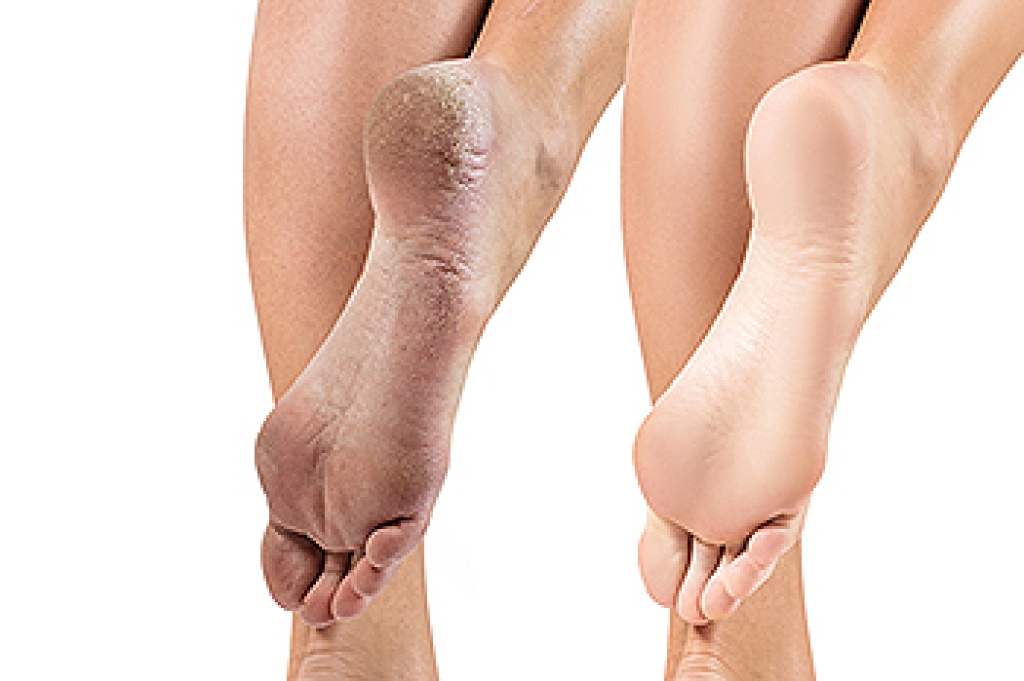
Cracked Heels and Everyday Causes of Dry Skin

Cracked heels develop when the skin around the heel becomes dry, thick, and less flexible. Pressure from walking can cause hardened skin to split, creating visible lines or deeper fissures. Symptoms may include roughness, flaking, and painful cracks. Environmental conditions often contribute. Heat and humidity can increase moisture loss, while cold weather can leave skin dry and irritated. Frequent bathing and harsh skin cleansers may remove natural oils, making the heel skin more likely to crack.

Risk factors include long periods of standing, walking, and wearing open-back shoes that allow the heel to spread. Age can also increase risk because skin gradually loses moisture and elasticity. Repeated exposure to hot water, dry indoor air, and aggressive scrubbing may worsen dryness. People with certain health conditions affecting skin or circulation can develop persistent cracked heels. Recognizing these factors can make prevention easier and help you address dryness before painful fissures develop.


A podiatrist will examine the heels, assess crack depth, and look for irritation or infection. Treatment may include professional removal of thickened skin and a moisturizing cream containing urea or another ingredient. Your podiatrist may also recommend supportive footwear that reduces heel pressure. If infection or inflammation is present, medication may be needed. You may be advised to avoid harsh cleansers, prolonged hot showers, and excessive scraping while keeping the heels moisturized regularly.


Preventing cracked heels requires consistent care and attention to environmental triggers. Use a gentle cleanser, apply moisturizer after bathing, and wear supportive shoes that protect the heel. During cold weather, protect your feet from dry air and avoid very hot water. Seek podiatric care if cracks become deep, painful, or difficult to heal. If you have painful cracked heels, it is suggested that you consult a podiatrist for effective treatment solutions.

Cracked heels are unsightly and can cause further damage to your shoes and feet. If you have any concerns, contact Christian Smith, DPM from UTOEpia Foot and Ankle Specialist. Our doctor can provide the care you need to keep you pain-free and on your feet.

Cracked Heels

Cracked heels appear unappealing and can make it harder for you walk around in sandals. Aside from looking unpleasant, cracked heels can also tear stockings, socks, and wear out your shoes. There are several methods to help restore a cracked heel and prevent further damage.

How Do You Get Them?

Dry skin is the number one culprit in creating cracked heels. Many athletes, walkers, joggers, and even swimmers suffer from cracked heels. Age and skin oil production play a role to getting cracked heels as well.

Promote Healing

Over the counter medicines can help, especially for those that need instant relief or who suffer from chronic dry feet.

Wear Socks – Wearing socks with medicated creams helps lock in moisture.

Moisturizers – Applying both day and night will help alleviate dryness which causes cracking.

Pumice Stones – These exfoliate and remove dead skin, which allows for smoother moisturizer application and better absorption into the skin. 

Change in Diet

Eating healthy with a well-balanced diet will give the skin a fresh and radiant look. Your body responds to the kinds of food you ingest. Omega-3 fatty acids and zinc supplements can also revitalize skin tissue.

Most importantly, seek professional help if unsure how to proceed in treating cracked heels. A podiatrist will help you with any questions or information needed. 

If you have any questions, please feel free to contact our office located in Memphis, TN . We offer the newest diagnostic and treatment technologies for all your foot care needs.
Read more about Solutions for Cracked Heels

Orthotics and Flexible Flat Feet in Children

Flexible flat feet are common in children. They occur when the arches flatten while standing, but return when the child sits or rises onto the toes. Some children have no symptoms, while others may develop foot pain, tired legs, or discomfort after activity. Flexible flat feet can affect comfort and movement, especially when children participate in sports or walk for long periods. A podiatric evaluation can determine whether treatment is needed.

Several factors can increase the risk of developing flexible flat feet. Family history, ligament flexibility, and certain foot structures may contribute. Rapid growth can also change how a child stands and walks. Children with flexible flat feet may experience heel or arch discomfort, ankle fatigue, or changes in walking patterns. Although flat feet do not always cause problems, consistent pain or difficulty with activities warrants podiatric attention.


Orthotics can provide support for children whose flexible flat feet cause discomfort or affect movement. A podiatrist may first examine foot structure, walking patterns, and tenderness. The podiatrist may then recommend supportive shoes or custom orthotics. Properly fitted orthotics can help support the arch, improve alignment, and increase comfort during everyday activities. Follow-up visits allow the podiatrist to check fit, comfort, and treatment response.


Supporting healthy feet can help children stay active. Orthotics are not necessary for every child with flexible flat feet, so treatment should be based on symptoms and examination findings. A podiatrist may also recommend activity adjustments, footwear changes, and routine monitoring, when needed. Parents should seek evaluation if a child has persistent pain, fatigue, or difficulty keeping up with peers. If your child has pain from having flat feet and you want to consider insoles, it is suggested that you consult a podiatrist who can determine what type of orthotic is the most beneficial.

If you are having discomfort in your feet and would like to try orthotics, contact Christian Smith, DPM from UTOEpia Foot and Ankle Specialist. Our doctor can provide the care you need to keep you pain-free and on your feet.

What Are Orthotics?

Orthotics are inserts you can place into your shoes to help with a variety of foot problems such as flat feet or foot pain. Orthotics provide relief and comfort for minor foot and heel pain but can’t correct serious biomechanical problems in your feet.

Over-the-Counter Inserts

Orthotics come in a wide variety of over-the-counter inserts that are used to treat foot pain, heel pain, and minor problems. For example, arch supports can be inserted into your shoes to help correct overarched or flat feet, while gel insoles are often used because they provide comfort and relief from foot and heel pain by alleviating pressure.

Prescription Orthotics

If over-the-counter inserts don’t work for you or if you have a more severe foot concern, it is possible to have your podiatrist prescribe custom orthotics. These high-quality inserts are designed to treat problems such as abnormal motion, plantar fasciitis, and severe forms of heel pain. They can even be used to help patients suffering from diabetes by treating foot ulcers and painful calluses and are usually molded to your feet individually, which allows them to provide full support and comfort.

If you are experiencing minor to severe foot or heel pain, it’s recommended to speak with your podiatrist about the possibilities of using orthotics. A podiatrist can determine which type of orthotic is right for you and allow you to take the first steps towards being pain-free.

If you have any questions, please feel free to contact our office located in Memphis, TN . We offer the newest diagnostic and treatment technologies for all your foot care needs.

Read more about Ankle Foot Orthotics for Athletes
Advanced Podiatric Procedures & Services in the Shelby County, TN: Memphis, Germantown, Collierville, Bartlett, Arlington, Lakeland, Millington, Cordova, Fayette County, TN: Somerville, Oakland, Eads, Crittenden County areas